From hard stone terraces to world-famous coast
As you travel by water and winding roads, you trace centuries of labor, beauty, and adaptation along the Ligurian cliffs.
Table of Contents
From isolated hamlets to connected villages
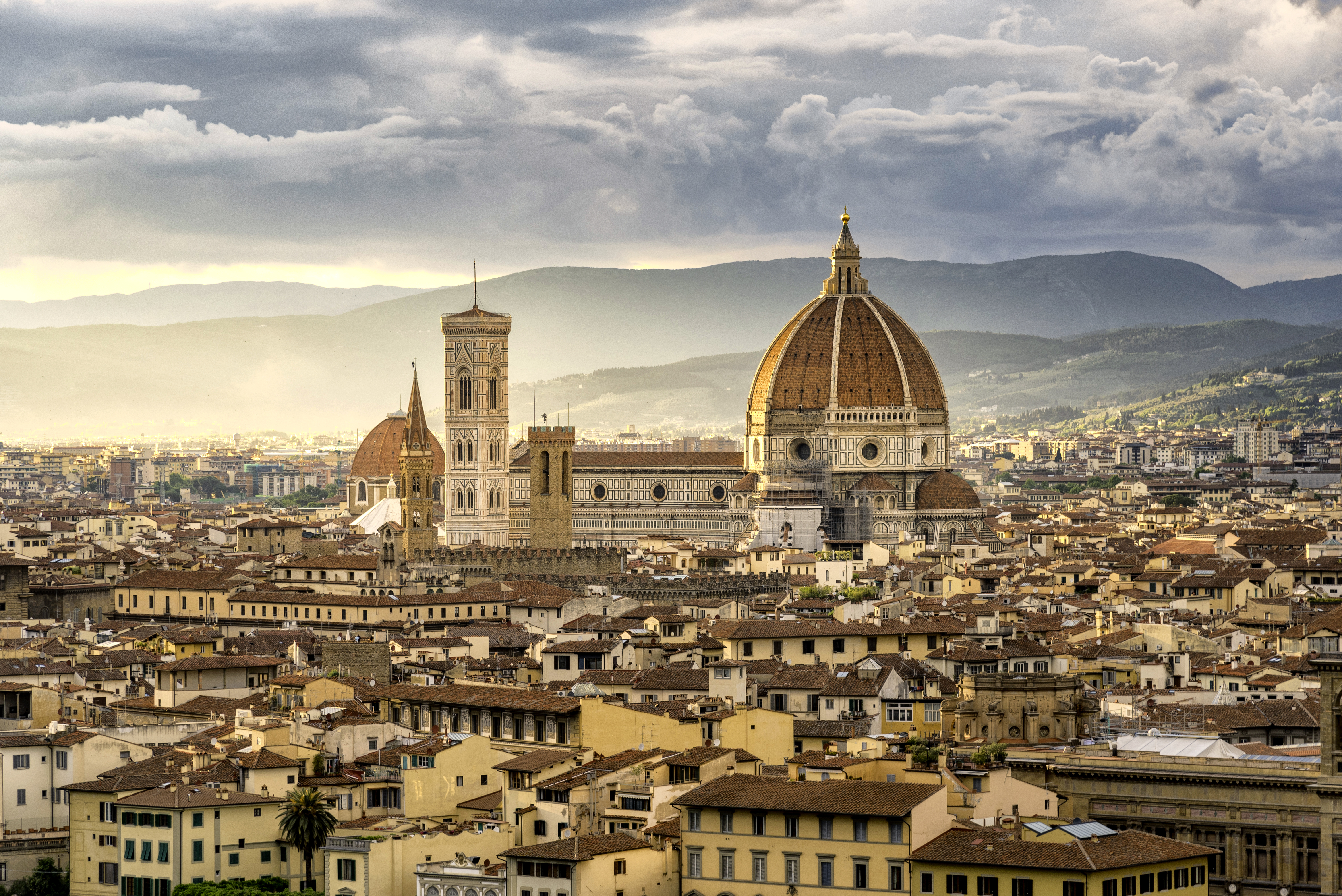
Long before Cinque Terre appeared in travel magazines and social feeds, these cliffs were home to tightly knit communities living in relative isolation. Monterosso, Vernazza, Corniglia, Manarola, and Riomaggiore developed as separate worlds connected more by steep mule paths and the sea than by easy roads. Families carved terraces directly into unforgiving stone to grow vines and olives, building a fragile but enduring agricultural system that turned the mountainsides into a human-made mosaic.
For centuries, life here demanded patience and physical strength. Harvests were carried by hand, weather shaped every decision, and fishing provided both food and trade. Yet this difficulty also created the distinct character visitors feel today: compact village centers, practical architecture, and a deep relationship between land and water. Traveling through Cinque Terre now by boat and coach lets you appreciate this transformation from hard-to-reach settlements to a connected cultural landscape, while still sensing the effort that made it all possible.
Monterosso and the oldest coastal roots
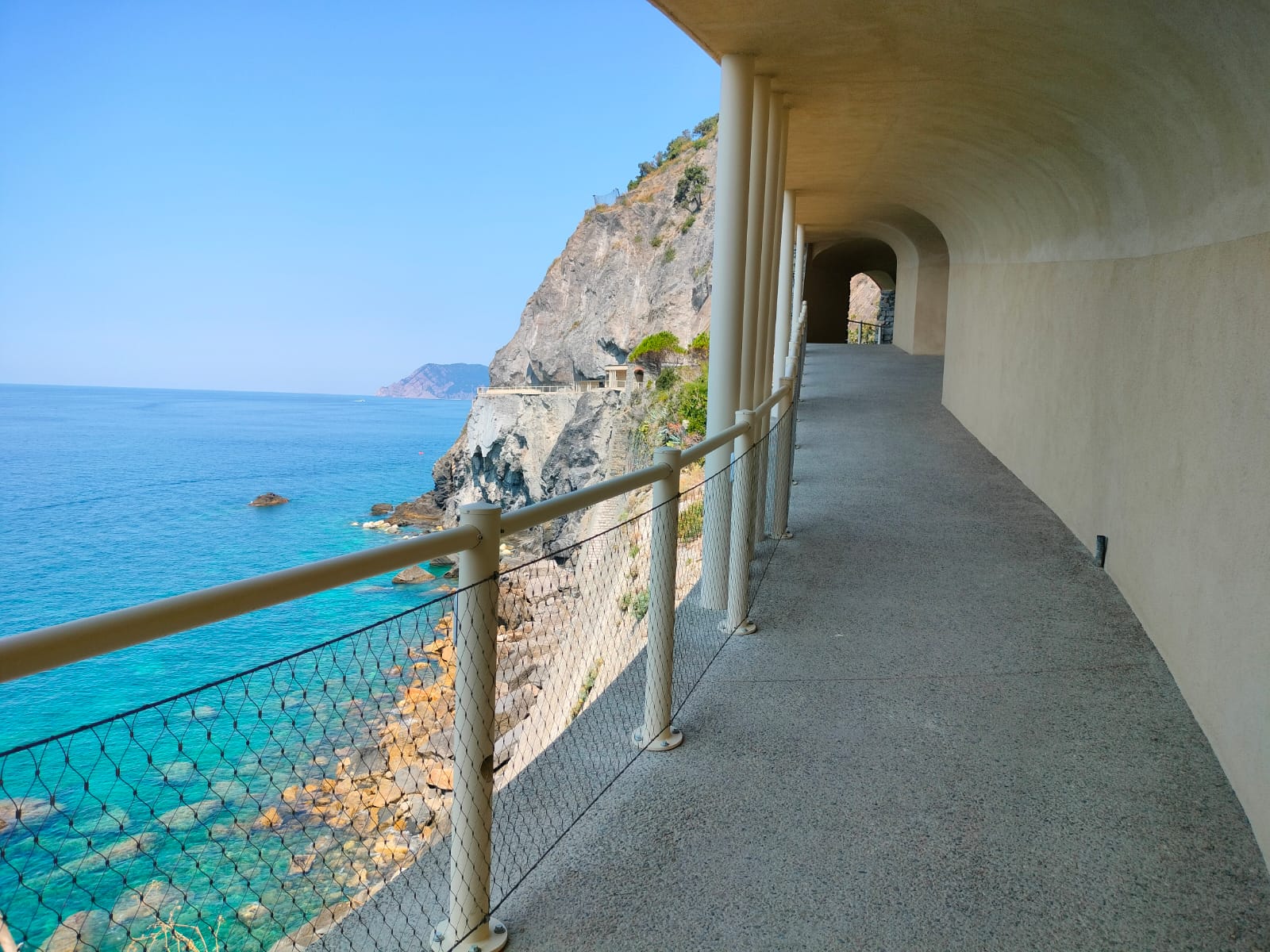
Monterosso al Mare is often the widest and most immediately welcoming of the five villages, with a beach that feels generous compared with the tighter harbors elsewhere. Historically, this made it both vulnerable and strategic: a place for maritime exchange, defensive watch, and agricultural access from the inland slopes. As you walk between the old quarter and newer seafront areas, you can read centuries of adaptation in the built environment, from compact stone lanes to broader spaces shaped by modern tourism.
Yet Monterosso is not only about beach umbrellas and photos. Behind the front-row sea views, parish churches, local bakeries, and family-run guesthouses preserve rhythms that predate mass travel. Morning deliveries, conversations in dialect, and seasonal work patterns still structure village life. Visiting by tour gives you a practical framework, but if you pause and look closer, Monterosso reveals itself as a living community balancing hospitality with heritage.
Vernazza, harbor life, and maritime exchange
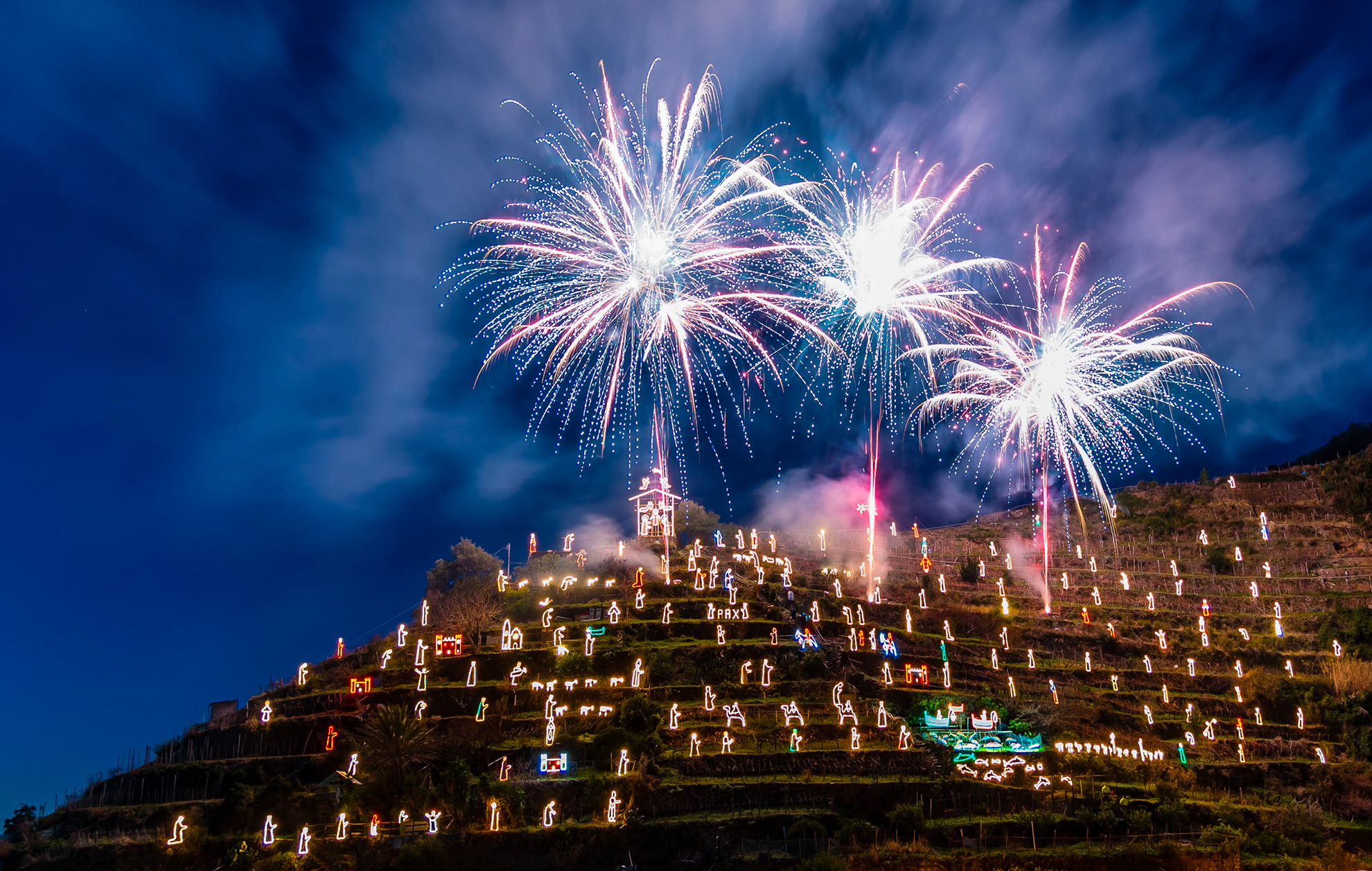
Vernazza grew around one of the most iconic natural harbors in Cinque Terre, and its identity has always been tied to the sea. Fishing boats, small cargo movements, and social life converged in this compact inlet, where the piazza meets the waterfront in a way that still feels intimate and theatrical. Arriving by boat gives you an especially powerful first impression: the village seems to rise in layers, each house and stairway responding to limited space and steep terrain.
Historically, Vernazza also connected local products to broader markets. Anchovies, olive oil, and wine moved outward, while goods and ideas flowed in from neighboring ports. Today, cafés and trattorie welcome visitors where working sailors once negotiated daily trade, but echoes remain in the rhythm of the harbor. If you sit by the water for even fifteen minutes, you can sense the continuity between the old maritime economy and the modern visitor economy that now supports local livelihoods.
Corniglia and the terraces above the sea
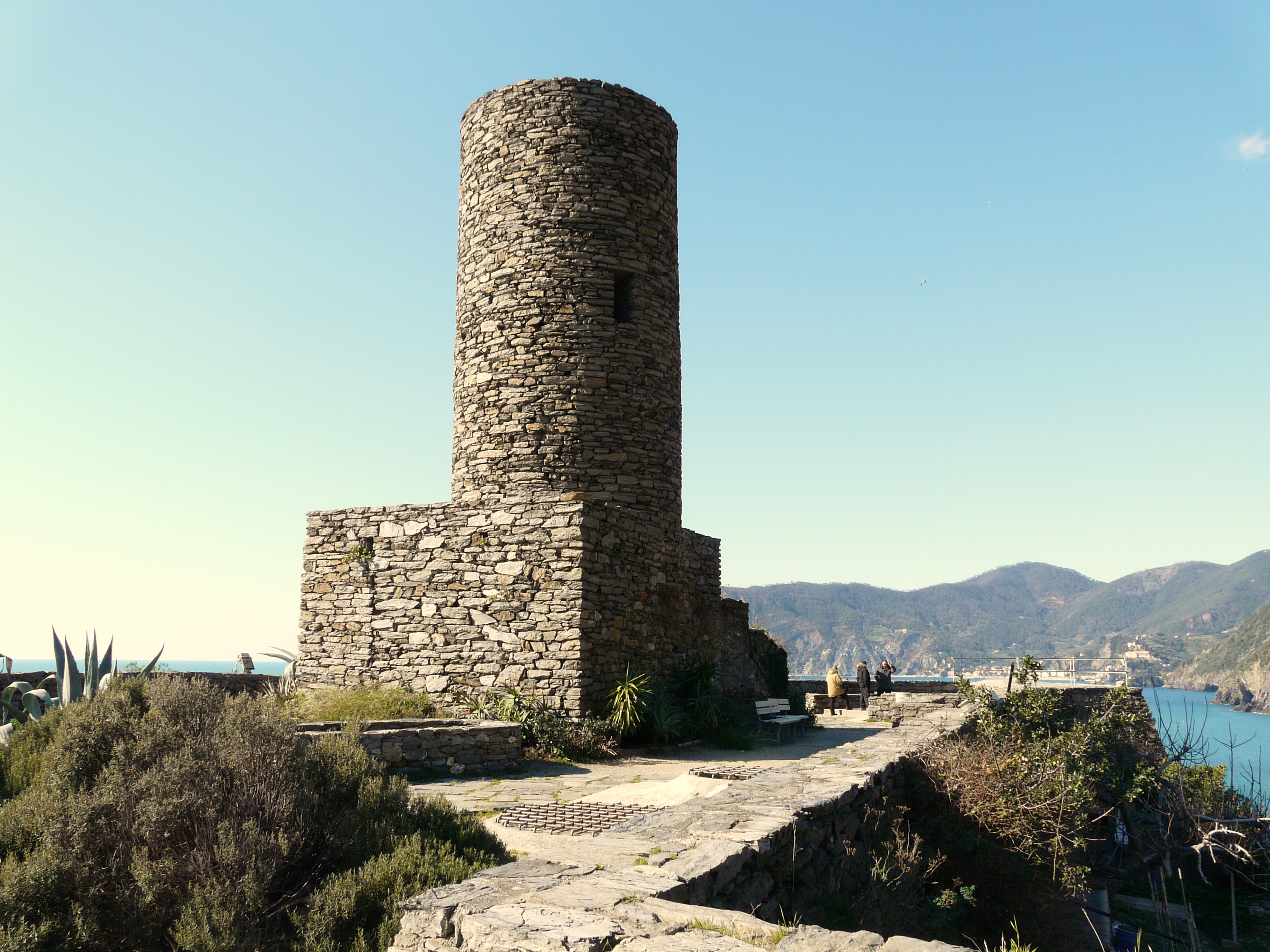
Corniglia is unique among the five villages because it does not sit directly on a harbor. Instead, it crowns a rocky promontory high above the sea, reached by steep steps or road access. This position tells a historical story: protection, agriculture, and settlement patterns developed differently here, with less dependence on direct boat traffic and more emphasis on terraced farming.
When you approach Corniglia by coach routes and viewpoints, you begin to understand the enormous labor behind the famous stone terraces. These dry-stone walls, built and rebuilt over generations, prevented erosion and created narrow cultivation strips where vines could survive. Local wine traditions, including the sweet Sciacchetrà style, are inseparable from this engineered landscape. Corniglia quietly demonstrates that Cinque Terre is not just a visual destination, but a masterpiece of human adaptation to extreme terrain.
Manarola, Riomaggiore, and cliffside identity
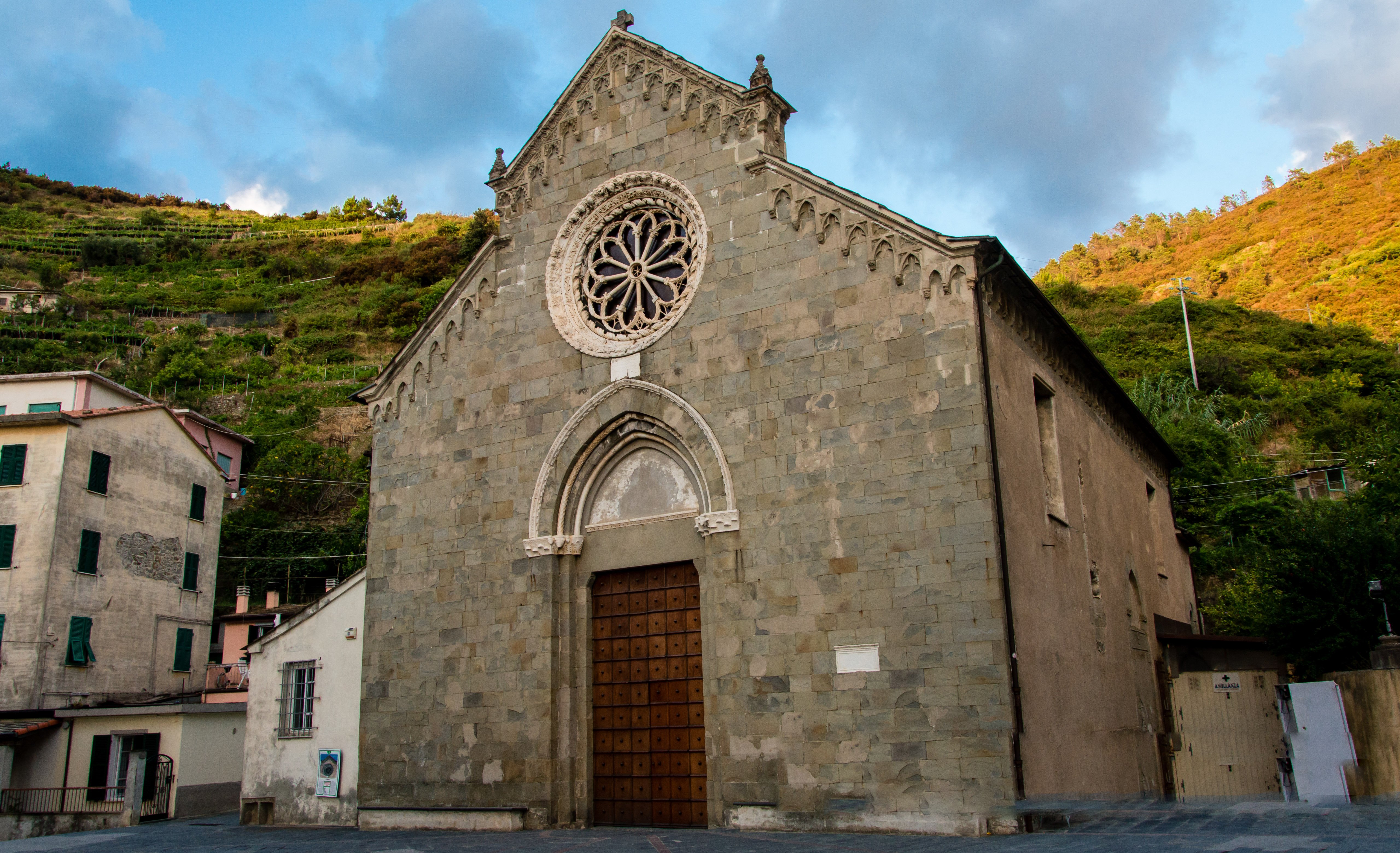
Manarola and Riomaggiore are often the emotional highlights of a Cinque Terre itinerary. Their compact harbors, colorful facades, and dramatic rock contours create the classic image many travelers dream about. But beyond aesthetics, these settlements reflect practical historical choices: homes clustered tightly for protection, vertical circulation through stairways, and maritime access points designed for small-scale fishing and transport.
At dusk, when light softens and crowds thin, these villages reveal another dimension. You hear cutlery from family kitchens, footsteps in narrow carrugi, and waves striking the rocks beneath old walls. This atmosphere helps explain why preservation matters so deeply here. Manarola and Riomaggiore are not open-air stage sets; they are inhabited places where daily life continues amid global attention, and thoughtful visitors become part of that delicate balance.
Roads, railways, and modern access
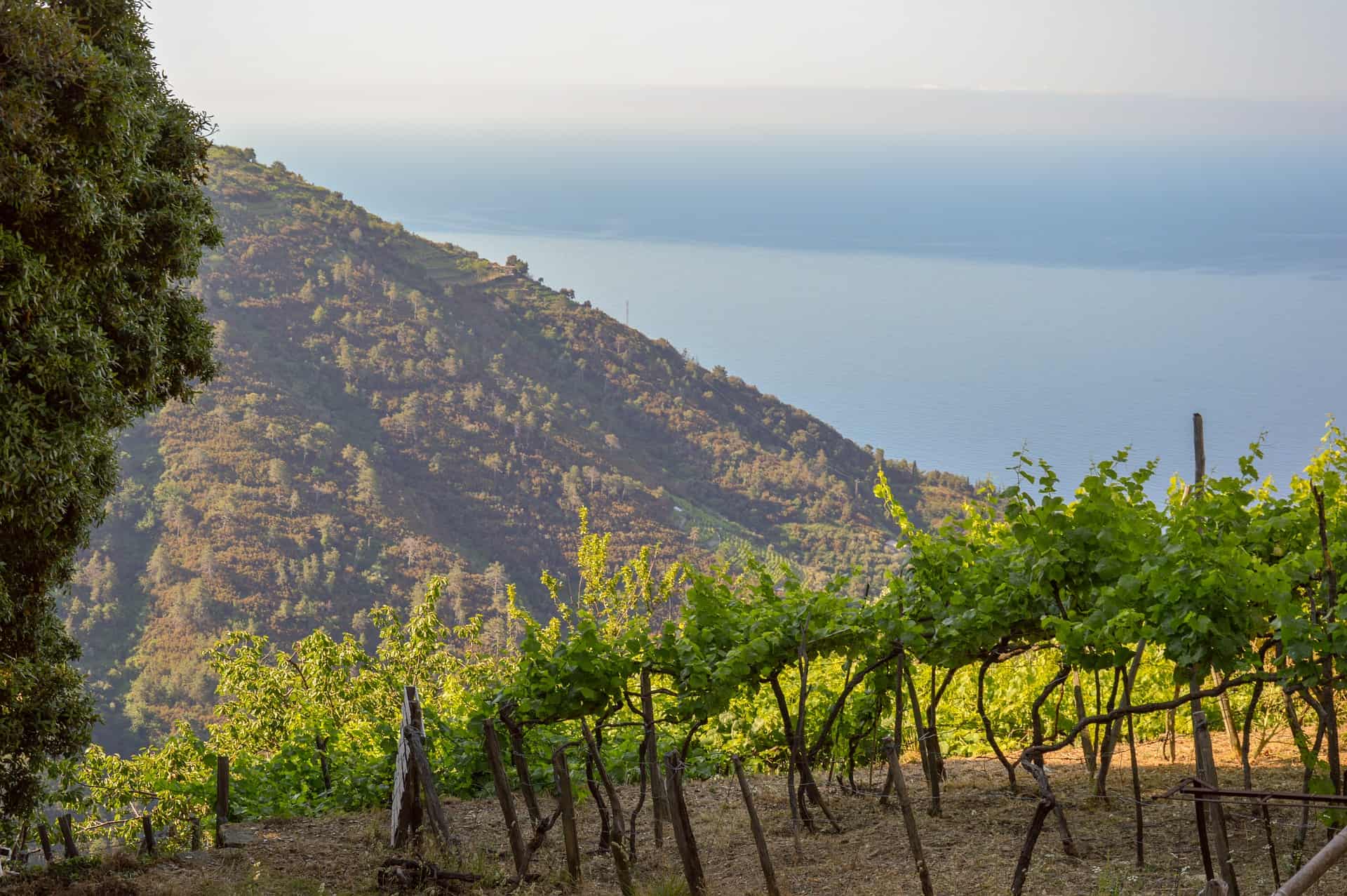
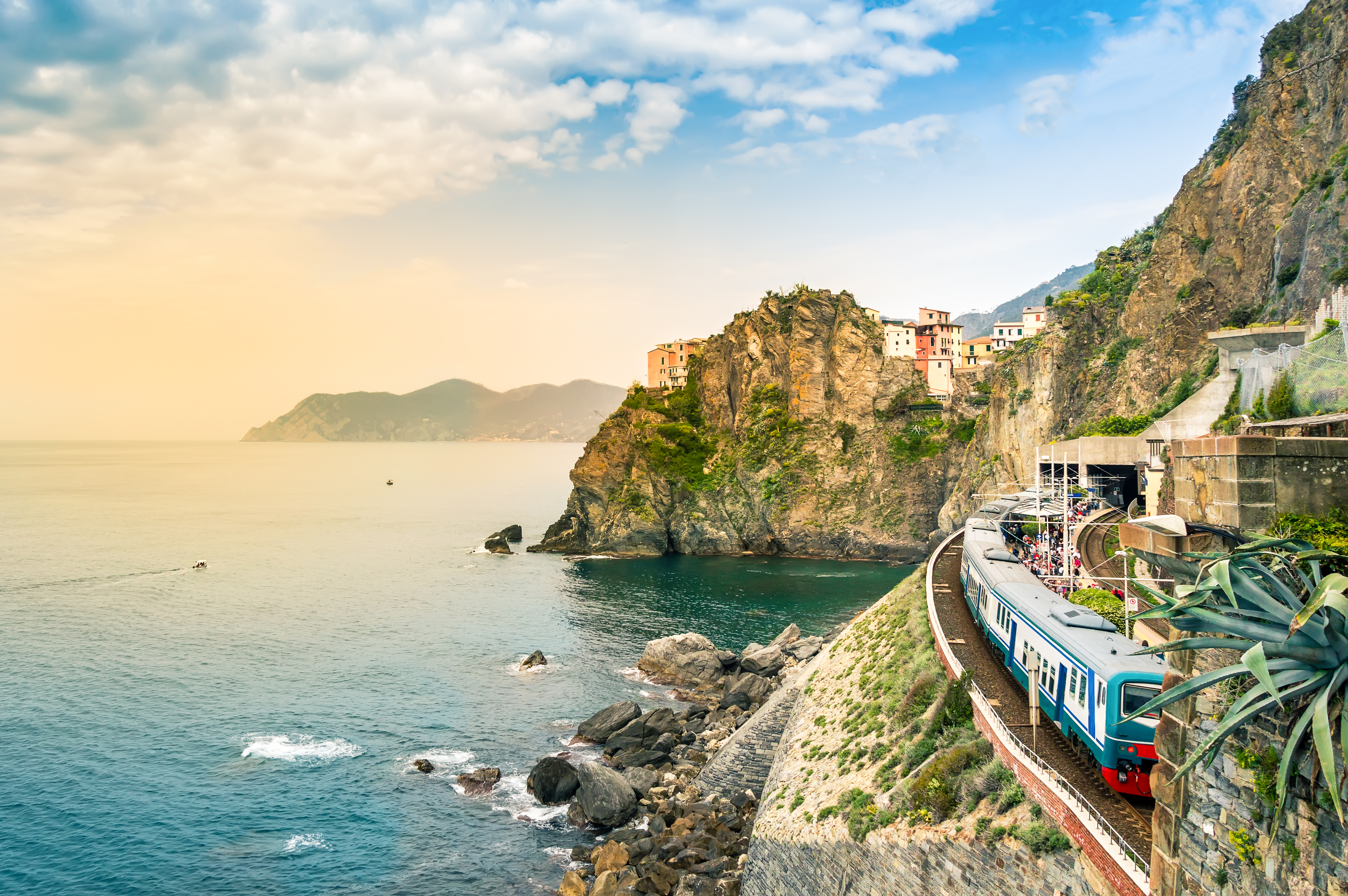
For much of their history, the villages were difficult to reach, especially in bad weather. Over time, regional roads and rail links transformed mobility, making day trips feasible for visitors from Genoa, Pisa, Florence, and beyond. This accessibility expanded opportunities for local businesses but also introduced new pressures: crowd concentration, seasonal strain, and the challenge of preserving authenticity while welcoming rising numbers of guests.
Coach tours emerged as a practical response for travelers seeking comfort, structure, and scenic road views that trains do not provide. When coordinated with boat segments, they distribute visitor flow more evenly and reveal inland panoramas often missed in rail-only itineraries. In this sense, modern transport is not merely a convenience; it is part of how Cinque Terre continues adapting to contemporary tourism realities.
Boat routes and the seaward perspective
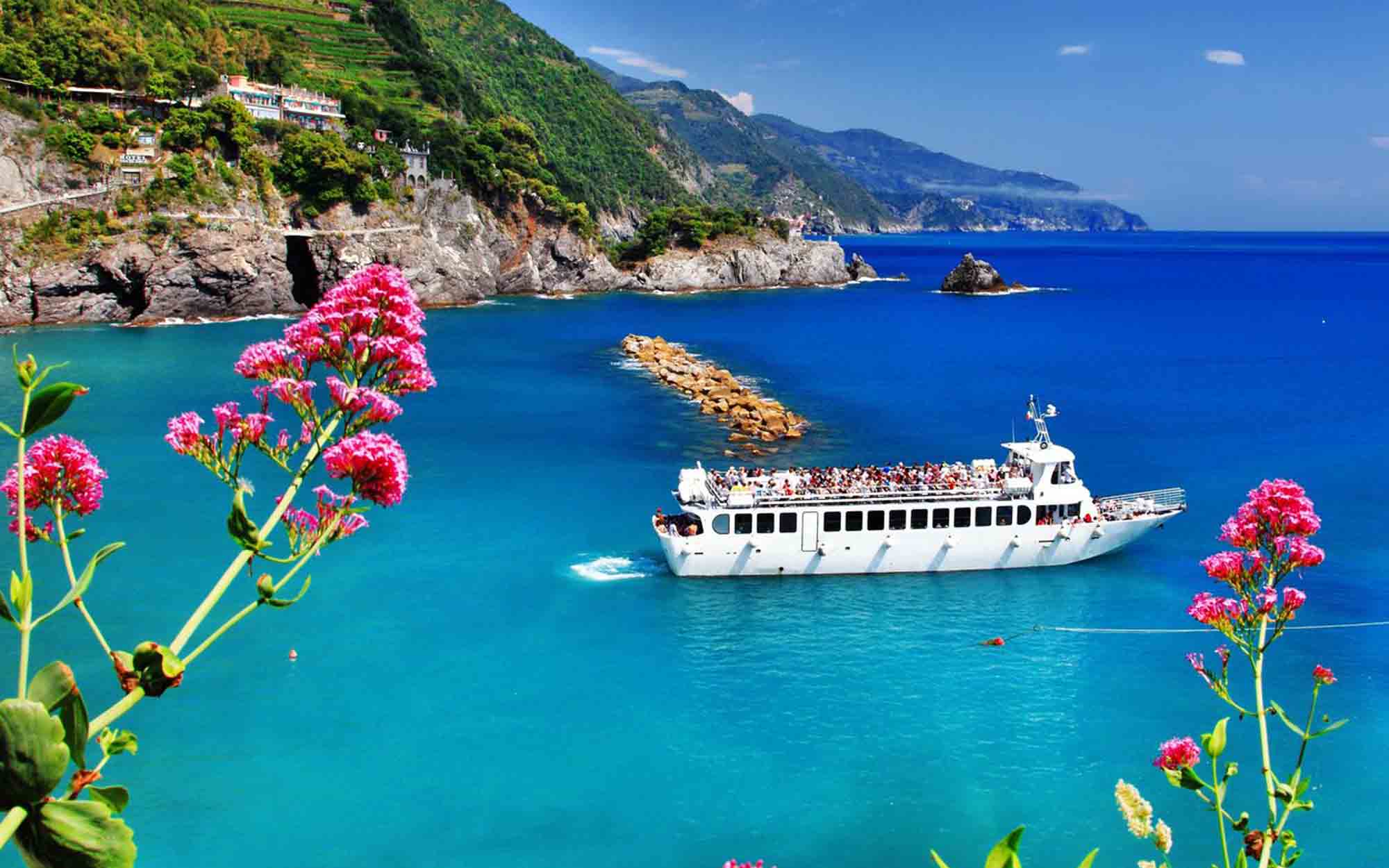
Seeing Cinque Terre from the sea changes your understanding immediately. From land, you experience lanes, stairways, and intimate details; from water, you grasp the full choreography of cliffs, terraces, and villages suspended between mountain and horizon. Historically, this marine perspective was essential, because the sea was not just scenic backdrop: it was a transport corridor, a workplace, and often the fastest connection between communities.
Today’s tour boats retrace part of that legacy in a gentler form, letting visitors observe geological contours, old defensive positions, and village silhouettes in one continuous sequence. Interesting fact: many of the iconic viewpoints people chase on foot are naturally visible from the deck without steep climbs. That makes boat segments not only beautiful, but also inclusive for travelers who prefer lower-impact sightseeing.
Crowds, safety, and practical accessibility
Cinque Terre can become very busy, particularly in summer and around midday. Tour formats help by giving structure, but smart habits still matter: keep essentials close, wear stable footwear on stone surfaces, and allow buffer time when moving between meeting points. On boat docks, follow crew instructions carefully, especially if wind or wake makes boarding slightly uneven.
Accessibility is improving, yet remains route-dependent. Coaches are typically comfortable, but village interiors may involve steps, slopes, or narrow passages. If reduced mobility is a key concern, select itineraries with gentler stops and verify dock access in advance. Planning these details early can transform the experience from stressful to genuinely enjoyable.
Festivals, food, and local rituals
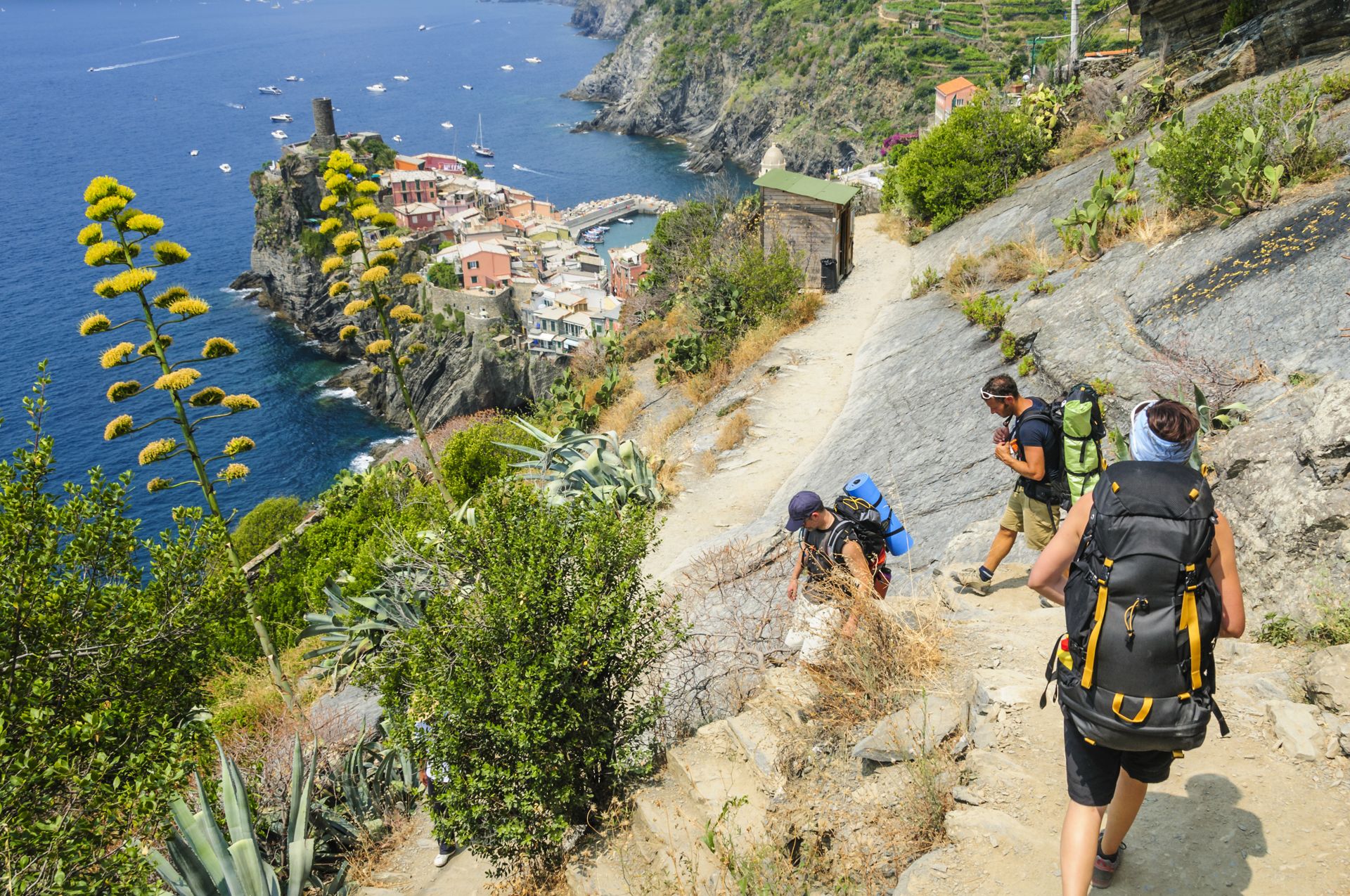
Beyond scenery, Cinque Terre has a cultural calendar shaped by religious feasts, local processions, summer evenings, and harvest rhythms. Depending on your date, you may encounter small piazza events, village music nights, or seasonal celebrations tied to saints, fishing traditions, and wine culture. These occasions reveal a social fabric that is still local at heart, even in a globally recognized destination.
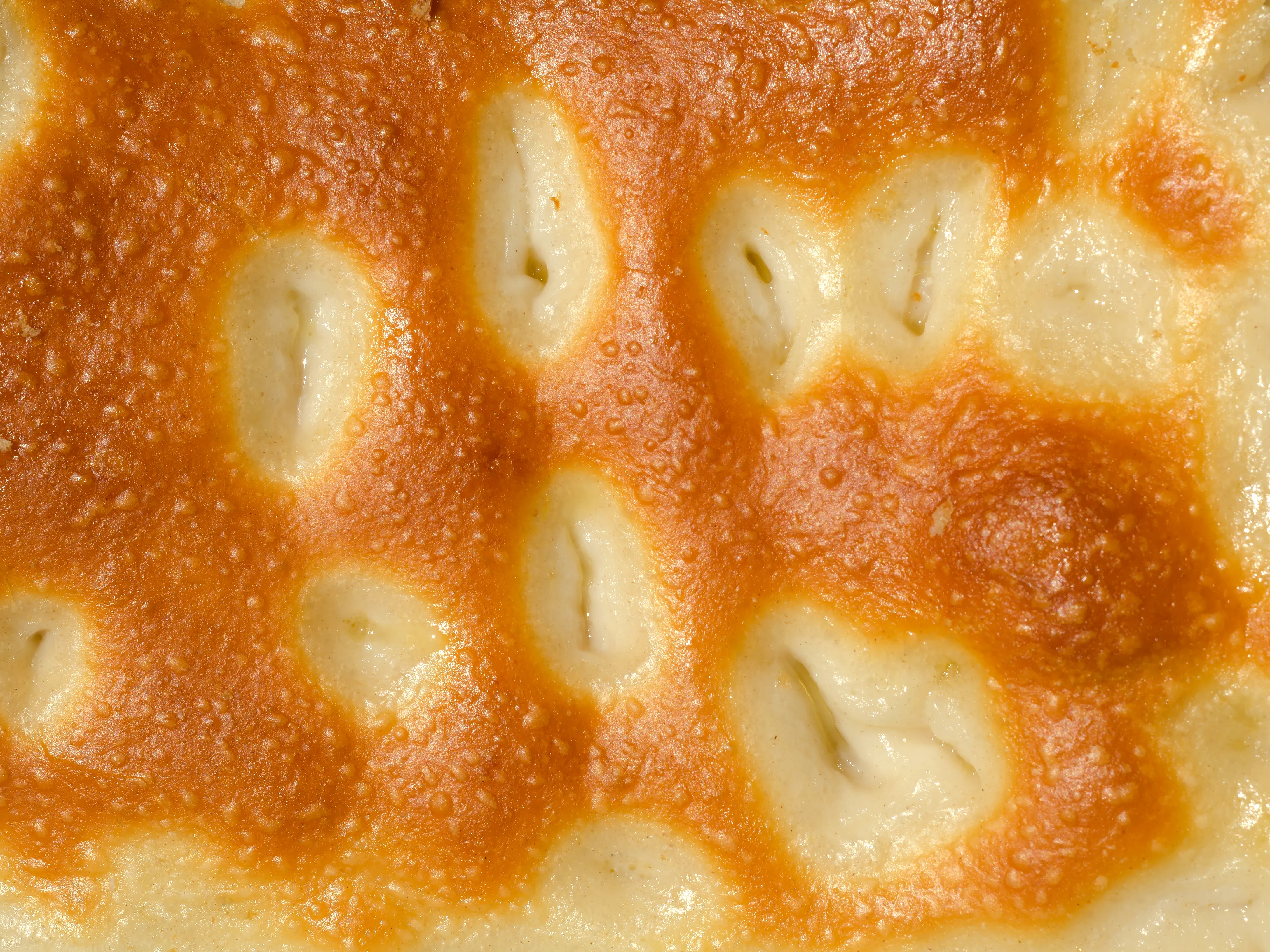
Food is part of that story: anchovies from Monterosso, pesto rooted in Ligurian identity, focaccia warm from neighborhood bakeries, and white wines linked to terrace cultivation. A brief stop can become memorable when you pair one panoramic overlook with one authentic taste. That balance of visual beauty and everyday flavor is often what visitors remember most.
Tickets, timing, and smart planning
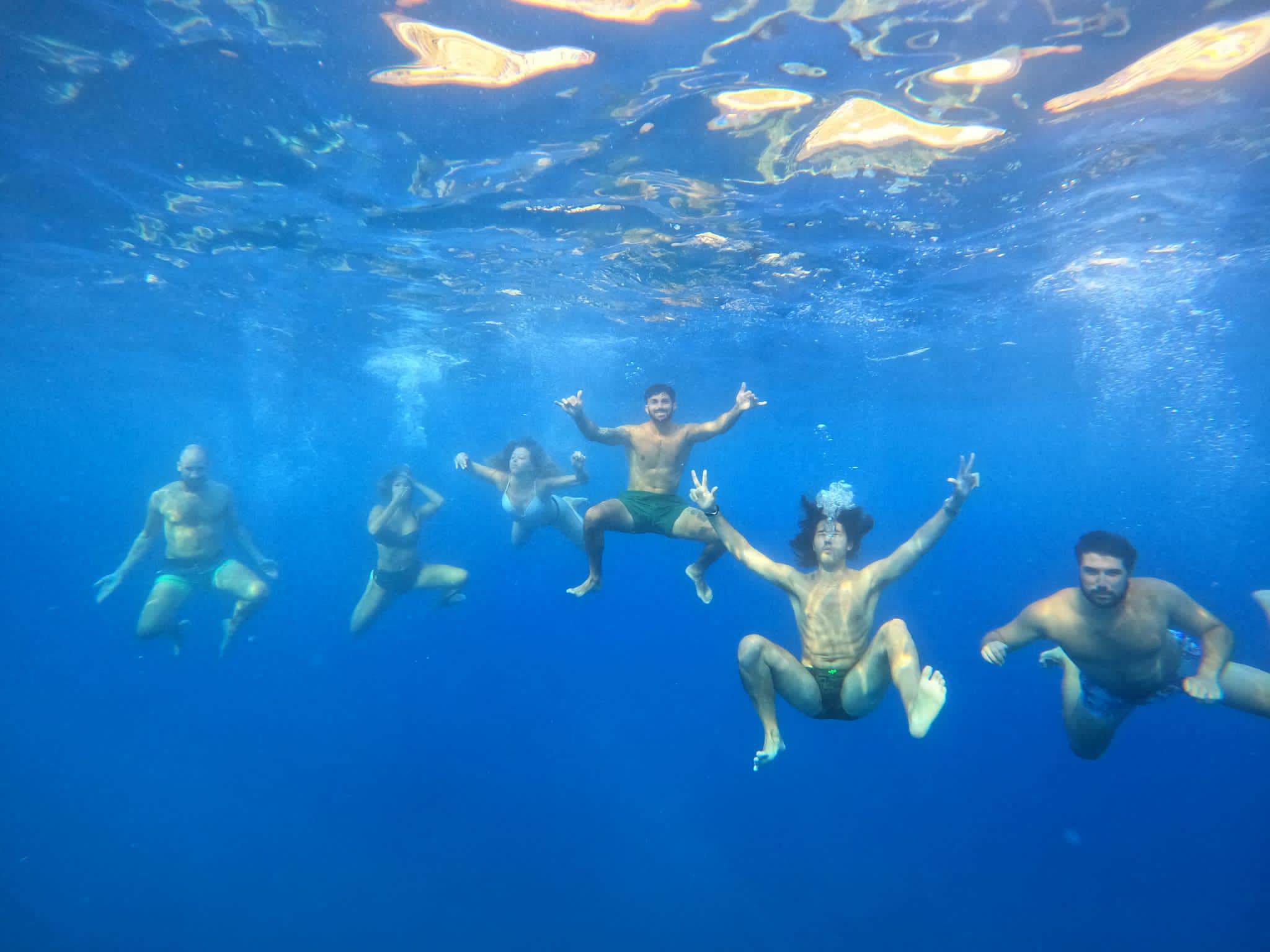
A little planning makes a big difference in Cinque Terre. Compare not just prices, but pacing: how many villages are included, how long each stop lasts, and whether your day leans more toward sea panoramas or village walking. Some travelers prefer broad overview routes; others want fewer stops with deeper exploration. Neither is better universally, but the right fit depends on your energy, interests, and travel style.
If you are short on time, a structured full-day boat-and-coach itinerary often delivers the highest visual reward with the least logistics effort. If you stay longer, mixing one guided day with independent exploration can be ideal. Build your plan around priority moments—sunlit harbor photos, terrace viewpoints, relaxed lunch, maybe a swim—so your day feels intentional rather than rushed.
Conservation and climate challenges
Cinque Terre’s beauty depends on constant care. Dry-stone terraces require maintenance, trails need restoration after heavy rain, and historic buildings demand careful repair in a salty marine climate. Climate change has increased the urgency of this work through stronger weather events, heat stress, and erosion patterns that affect both local life and visitor infrastructure.
Responsible tourism helps. Choosing operators that respect local regulations, following marked paths, reducing waste, and supporting local producers all contribute to long-term resilience. Seen this way, a tour is not only consumption of scenery; it can also become participation in preservation when travelers make informed choices.
Viewpoints, side trips, and hidden corners
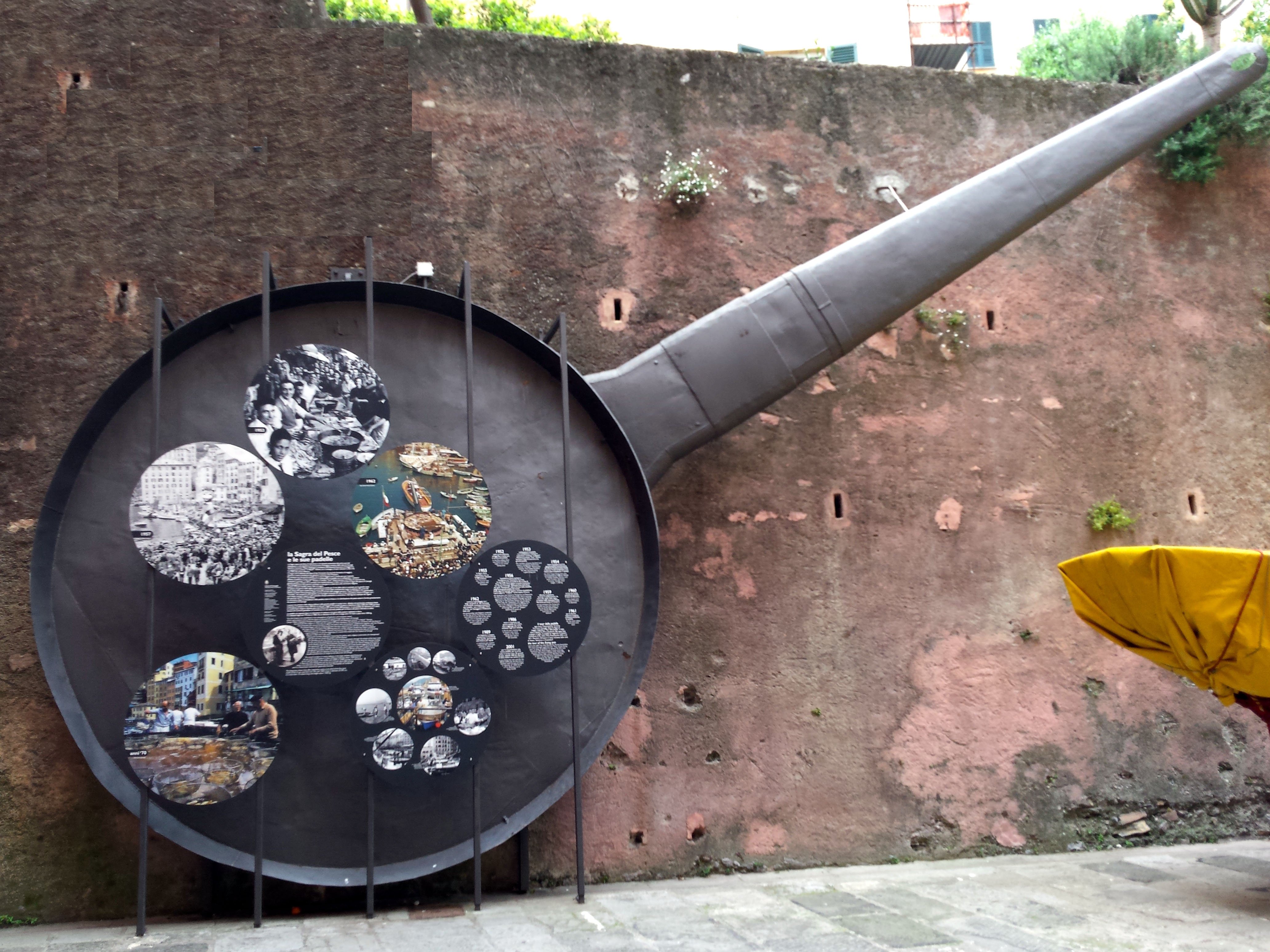
Many visitors focus only on the five headline villages, but the wider area offers rewarding detours. Depending on your base and time, you can explore Levanto for a more relaxed seaside atmosphere, Porto Venere for dramatic medieval scenery, or nearby hill roads for broad coastal panoramas. Coach-inclusive itineraries sometimes reveal these contexts better than village-only routes.
Even within the classic circuit, small choices can create richer memories: taking a short uphill lane for a quieter overlook, visiting a tiny church away from the waterfront, or pausing in a local bar where residents gather. These moments add texture beyond iconic photos and help you experience Cinque Terre as a place with depth, not just a sequence of viewpoints.
Why sea-and-road travel tells the full story
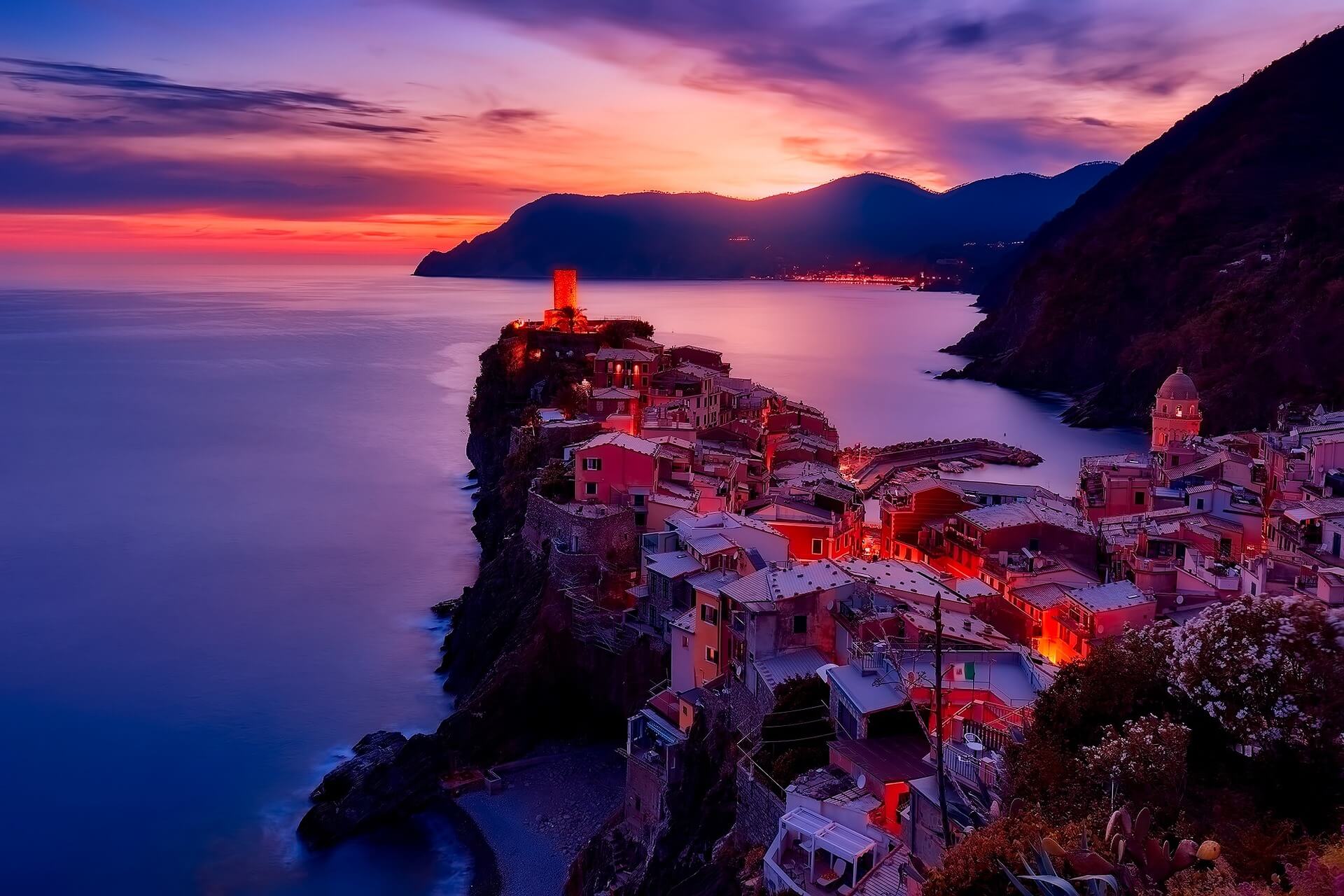
On paper, a combined boat-and-coach tour may look like simple logistics. In practice, it becomes a narrative journey through geography, labor, and culture. The sea shows you why villages developed where they did; the roads show you the scale of the cliffs and terraces that sustained them. Together, these perspectives create understanding that a single transport mode rarely delivers.
By day’s end, your memory is layered: harbor reflections, stone stairways, vineyard lines, local accents, and changing coastal light. You are not only collecting famous scenes; you are sensing the relationship between people and landscape that defines Cinque Terre. That is why traveling by both boat and coach can feel so complete, and why many visitors leave with the feeling that they have experienced a story, not just a route.
Table of Contents
From isolated hamlets to connected villages
Long before Cinque Terre appeared in travel magazines and social feeds, these cliffs were home to tightly knit communities living in relative isolation. Monterosso, Vernazza, Corniglia, Manarola, and Riomaggiore developed as separate worlds connected more by steep mule paths and the sea than by easy roads. Families carved terraces directly into unforgiving stone to grow vines and olives, building a fragile but enduring agricultural system that turned the mountainsides into a human-made mosaic.
For centuries, life here demanded patience and physical strength. Harvests were carried by hand, weather shaped every decision, and fishing provided both food and trade. Yet this difficulty also created the distinct character visitors feel today: compact village centers, practical architecture, and a deep relationship between land and water. Traveling through Cinque Terre now by boat and coach lets you appreciate this transformation from hard-to-reach settlements to a connected cultural landscape, while still sensing the effort that made it all possible.
Monterosso and the oldest coastal roots
Monterosso al Mare is often the widest and most immediately welcoming of the five villages, with a beach that feels generous compared with the tighter harbors elsewhere. Historically, this made it both vulnerable and strategic: a place for maritime exchange, defensive watch, and agricultural access from the inland slopes. As you walk between the old quarter and newer seafront areas, you can read centuries of adaptation in the built environment, from compact stone lanes to broader spaces shaped by modern tourism.
Yet Monterosso is not only about beach umbrellas and photos. Behind the front-row sea views, parish churches, local bakeries, and family-run guesthouses preserve rhythms that predate mass travel. Morning deliveries, conversations in dialect, and seasonal work patterns still structure village life. Visiting by tour gives you a practical framework, but if you pause and look closer, Monterosso reveals itself as a living community balancing hospitality with heritage.
Vernazza, harbor life, and maritime exchange
Vernazza grew around one of the most iconic natural harbors in Cinque Terre, and its identity has always been tied to the sea. Fishing boats, small cargo movements, and social life converged in this compact inlet, where the piazza meets the waterfront in a way that still feels intimate and theatrical. Arriving by boat gives you an especially powerful first impression: the village seems to rise in layers, each house and stairway responding to limited space and steep terrain.
Historically, Vernazza also connected local products to broader markets. Anchovies, olive oil, and wine moved outward, while goods and ideas flowed in from neighboring ports. Today, cafés and trattorie welcome visitors where working sailors once negotiated daily trade, but echoes remain in the rhythm of the harbor. If you sit by the water for even fifteen minutes, you can sense the continuity between the old maritime economy and the modern visitor economy that now supports local livelihoods.
Corniglia and the terraces above the sea
Corniglia is unique among the five villages because it does not sit directly on a harbor. Instead, it crowns a rocky promontory high above the sea, reached by steep steps or road access. This position tells a historical story: protection, agriculture, and settlement patterns developed differently here, with less dependence on direct boat traffic and more emphasis on terraced farming.
When you approach Corniglia by coach routes and viewpoints, you begin to understand the enormous labor behind the famous stone terraces. These dry-stone walls, built and rebuilt over generations, prevented erosion and created narrow cultivation strips where vines could survive. Local wine traditions, including the sweet Sciacchetrà style, are inseparable from this engineered landscape. Corniglia quietly demonstrates that Cinque Terre is not just a visual destination, but a masterpiece of human adaptation to extreme terrain.
Manarola, Riomaggiore, and cliffside identity
Manarola and Riomaggiore are often the emotional highlights of a Cinque Terre itinerary. Their compact harbors, colorful facades, and dramatic rock contours create the classic image many travelers dream about. But beyond aesthetics, these settlements reflect practical historical choices: homes clustered tightly for protection, vertical circulation through stairways, and maritime access points designed for small-scale fishing and transport.
At dusk, when light softens and crowds thin, these villages reveal another dimension. You hear cutlery from family kitchens, footsteps in narrow carrugi, and waves striking the rocks beneath old walls. This atmosphere helps explain why preservation matters so deeply here. Manarola and Riomaggiore are not open-air stage sets; they are inhabited places where daily life continues amid global attention, and thoughtful visitors become part of that delicate balance.
Roads, railways, and modern access
For much of their history, the villages were difficult to reach, especially in bad weather. Over time, regional roads and rail links transformed mobility, making day trips feasible for visitors from Genoa, Pisa, Florence, and beyond. This accessibility expanded opportunities for local businesses but also introduced new pressures: crowd concentration, seasonal strain, and the challenge of preserving authenticity while welcoming rising numbers of guests.
Coach tours emerged as a practical response for travelers seeking comfort, structure, and scenic road views that trains do not provide. When coordinated with boat segments, they distribute visitor flow more evenly and reveal inland panoramas often missed in rail-only itineraries. In this sense, modern transport is not merely a convenience; it is part of how Cinque Terre continues adapting to contemporary tourism realities.
Boat routes and the seaward perspective
Seeing Cinque Terre from the sea changes your understanding immediately. From land, you experience lanes, stairways, and intimate details; from water, you grasp the full choreography of cliffs, terraces, and villages suspended between mountain and horizon. Historically, this marine perspective was essential, because the sea was not just scenic backdrop: it was a transport corridor, a workplace, and often the fastest connection between communities.
Today’s tour boats retrace part of that legacy in a gentler form, letting visitors observe geological contours, old defensive positions, and village silhouettes in one continuous sequence. Interesting fact: many of the iconic viewpoints people chase on foot are naturally visible from the deck without steep climbs. That makes boat segments not only beautiful, but also inclusive for travelers who prefer lower-impact sightseeing.
Crowds, safety, and practical accessibility
Cinque Terre can become very busy, particularly in summer and around midday. Tour formats help by giving structure, but smart habits still matter: keep essentials close, wear stable footwear on stone surfaces, and allow buffer time when moving between meeting points. On boat docks, follow crew instructions carefully, especially if wind or wake makes boarding slightly uneven.
Accessibility is improving, yet remains route-dependent. Coaches are typically comfortable, but village interiors may involve steps, slopes, or narrow passages. If reduced mobility is a key concern, select itineraries with gentler stops and verify dock access in advance. Planning these details early can transform the experience from stressful to genuinely enjoyable.
Festivals, food, and local rituals
Beyond scenery, Cinque Terre has a cultural calendar shaped by religious feasts, local processions, summer evenings, and harvest rhythms. Depending on your date, you may encounter small piazza events, village music nights, or seasonal celebrations tied to saints, fishing traditions, and wine culture. These occasions reveal a social fabric that is still local at heart, even in a globally recognized destination.
Food is part of that story: anchovies from Monterosso, pesto rooted in Ligurian identity, focaccia warm from neighborhood bakeries, and white wines linked to terrace cultivation. A brief stop can become memorable when you pair one panoramic overlook with one authentic taste. That balance of visual beauty and everyday flavor is often what visitors remember most.
Tickets, timing, and smart planning
A little planning makes a big difference in Cinque Terre. Compare not just prices, but pacing: how many villages are included, how long each stop lasts, and whether your day leans more toward sea panoramas or village walking. Some travelers prefer broad overview routes; others want fewer stops with deeper exploration. Neither is better universally, but the right fit depends on your energy, interests, and travel style.
If you are short on time, a structured full-day boat-and-coach itinerary often delivers the highest visual reward with the least logistics effort. If you stay longer, mixing one guided day with independent exploration can be ideal. Build your plan around priority moments—sunlit harbor photos, terrace viewpoints, relaxed lunch, maybe a swim—so your day feels intentional rather than rushed.
Conservation and climate challenges
Cinque Terre’s beauty depends on constant care. Dry-stone terraces require maintenance, trails need restoration after heavy rain, and historic buildings demand careful repair in a salty marine climate. Climate change has increased the urgency of this work through stronger weather events, heat stress, and erosion patterns that affect both local life and visitor infrastructure.
Responsible tourism helps. Choosing operators that respect local regulations, following marked paths, reducing waste, and supporting local producers all contribute to long-term resilience. Seen this way, a tour is not only consumption of scenery; it can also become participation in preservation when travelers make informed choices.
Viewpoints, side trips, and hidden corners
Many visitors focus only on the five headline villages, but the wider area offers rewarding detours. Depending on your base and time, you can explore Levanto for a more relaxed seaside atmosphere, Porto Venere for dramatic medieval scenery, or nearby hill roads for broad coastal panoramas. Coach-inclusive itineraries sometimes reveal these contexts better than village-only routes.
Even within the classic circuit, small choices can create richer memories: taking a short uphill lane for a quieter overlook, visiting a tiny church away from the waterfront, or pausing in a local bar where residents gather. These moments add texture beyond iconic photos and help you experience Cinque Terre as a place with depth, not just a sequence of viewpoints.
Why sea-and-road travel tells the full story
On paper, a combined boat-and-coach tour may look like simple logistics. In practice, it becomes a narrative journey through geography, labor, and culture. The sea shows you why villages developed where they did; the roads show you the scale of the cliffs and terraces that sustained them. Together, these perspectives create understanding that a single transport mode rarely delivers.
By day’s end, your memory is layered: harbor reflections, stone stairways, vineyard lines, local accents, and changing coastal light. You are not only collecting famous scenes; you are sensing the relationship between people and landscape that defines Cinque Terre. That is why traveling by both boat and coach can feel so complete, and why many visitors leave with the feeling that they have experienced a story, not just a route.